
Skip to content
Discuss a project

JAGUI knowledge centre

Project insights for practical tank-cleaning decisions.

Technical guides and application notes for buyers reviewing tank vehicles, ISO tank containers, rail tank cars and selected process-vessel cleaning projects.

Practical context first. Final process, configuration and site interfaces are always confirmed project by project.

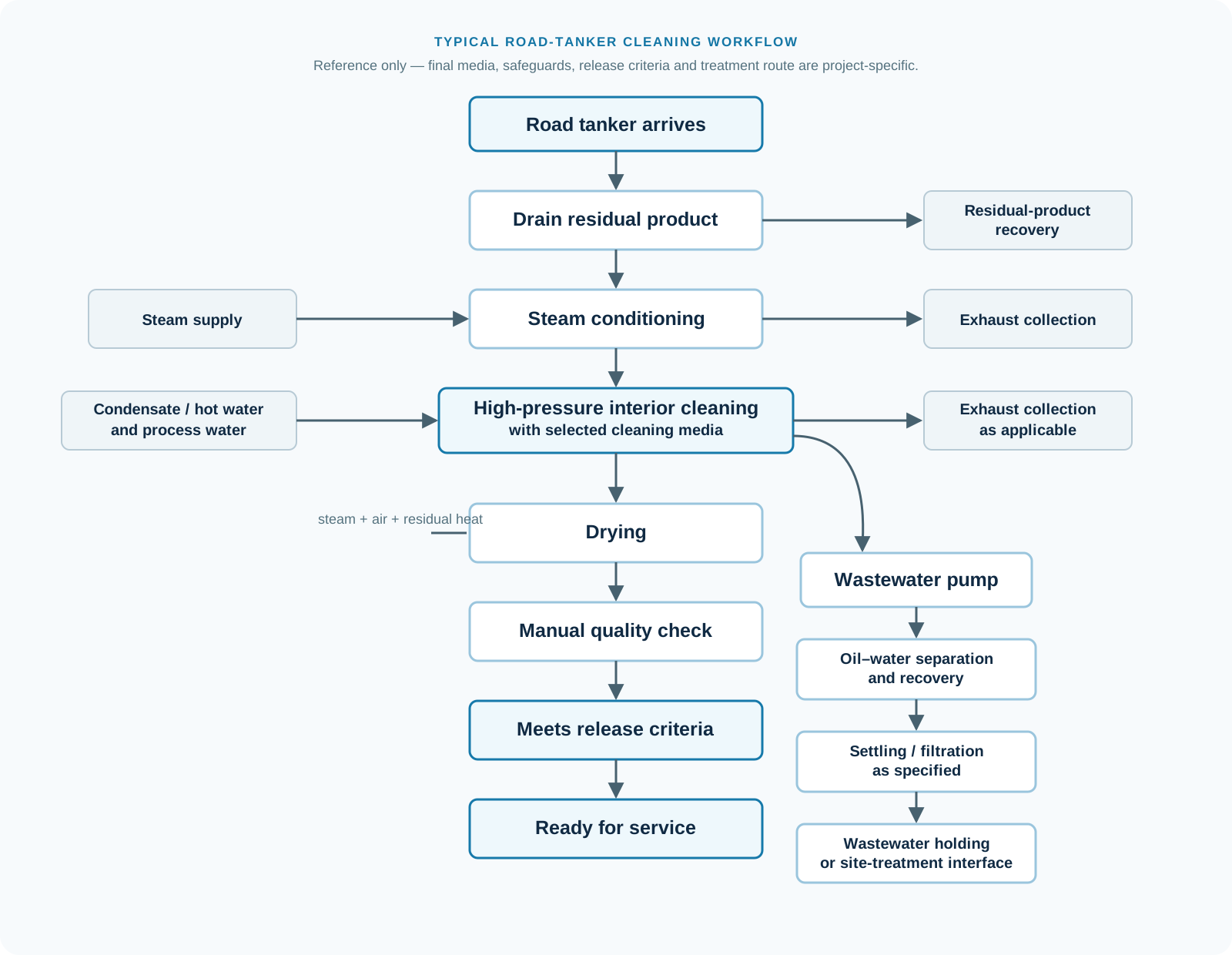
English flow diagram for an automated road tank truck cleaning process
WORKFLOW REFERENCEClean, dry, inspect and collect through a project-defined process path.

Useful material for real project conversations. These notes are not daily news for its own sake. They help an operator, terminal or engineering team identify the details worth reviewing before requesting a configured cleaning system.

01 Process guides02 Application notes03 Station interfaces
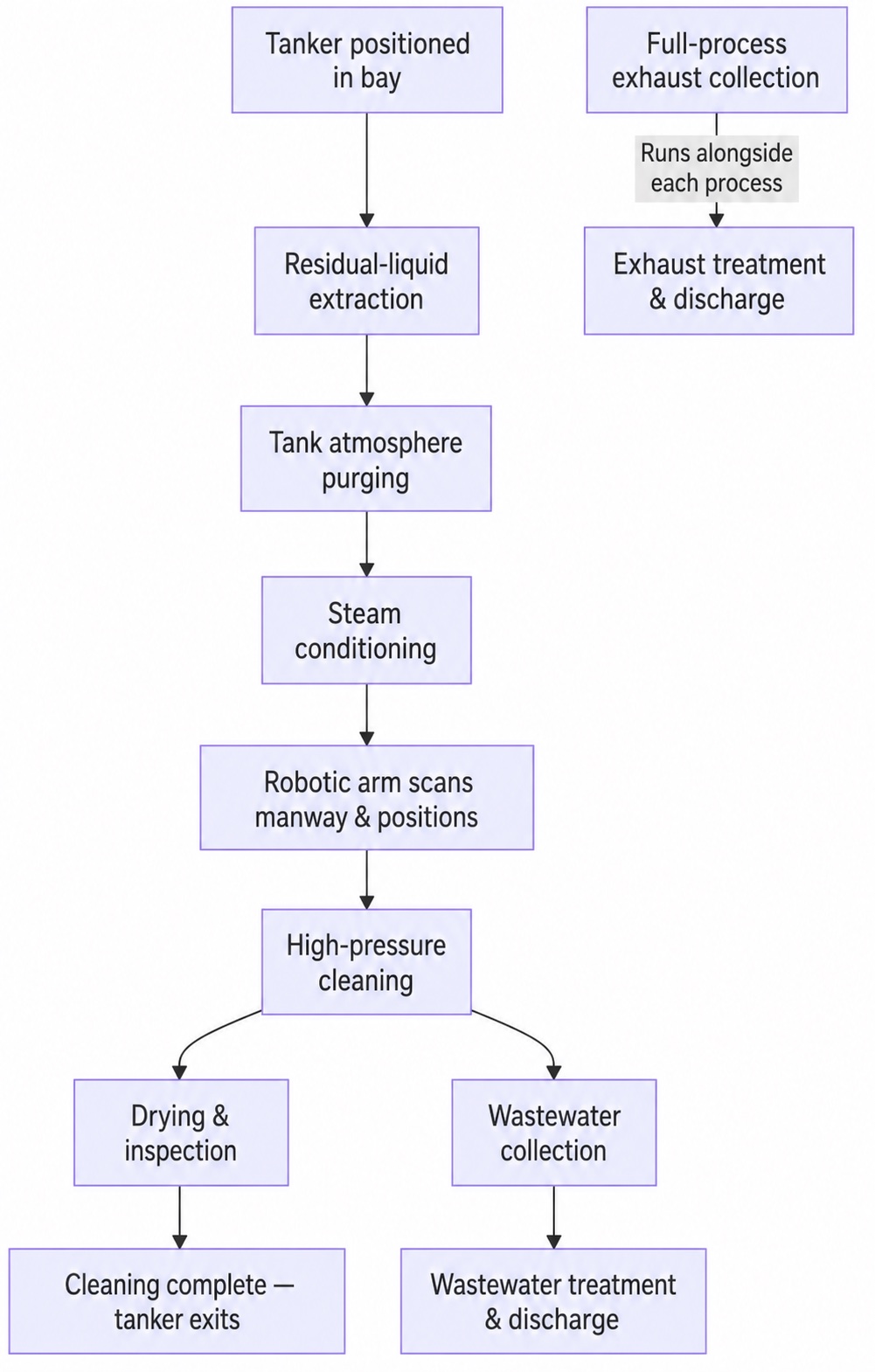
English diagram showing a tank truck cleaning process with wastewater and exhaust interfaces

Featured technical guide

How an automated road tank-truck cleaning process is configured.

A useful first guide explains the operating sequence — residue removal, cleaning, drying, inspection and controlled collection — without pretending that one process fits every cargo or site.

  • Which vessel, residue and access information is needed before system selection
  • Where the cleaning equipment ends and the site interfaces begin
  • Which process stages need project-specific confirmation
View related system scope

Initial guide library

Start with the project question that matters.

Each guide is tied to a practical next step, so a reader can move from research to the relevant system scope instead of browsing disconnected news.

01CLEANING PROCESS

Technical guide · Road tank trucks

What to define before specifying a tank-truck cleaning system.

Start with tank geometry, prior cargo or residue, access, desired process, throughput, utilities, collection and the operational boundary around the station.

Explore the road tank-truck scope
02APPLICATION NOTE

ISO tank containers

Plan a cleaning discussion around the ISO tank operation.

Review the handling route, manway access, cleaning and drying sequence, inspection point and logistics context before final scope is selected.

Explore ISO tank scope
03STATION INTERFACES

Practical note · Equipment planning

Cleaning equipment is only one part of the working station.

Clarify the equipment boundary alongside water, steam, air, drainage, exhaust, inspection and treatment interfaces. Civil design and construction remain outside JAGUI’s scope.

See planning support

Content framework

Three connected topics for an industrial project discussion.

New articles can deepen these three areas without becoming a generic or repetitive news feed.

01

Cleaning process

Residue, preparation, internal cleaning, drying, inspection and collection as a connected workflow.

Road tank trucks →
02

Application notes

Tank trucks, ISO tanks, rail tank cars and selected process vessels explained by operating context.

Explore applications →
03

Station interfaces

Equipment placement, access, utilities and treatment interfaces — clearly separated from civil design and construction.

Planning support →

From research to project discussion

Have a vessel, residue or station constraint to work through?

Share the application context. JAGUI can begin the discussion around a project-configured equipment scope.

Discuss a project