
Pharmaceutical and chemical vessels
For reactors, storage vessels and selected IBCs in pharmaceutical or chemical operations, where internal geometry, residue and the verification route must be reviewed individually.
04 / Selected process vessels
A project discussion for selected IBCs, reactors, fermenters and other process vessels where geometry, access, residue and release method must be considered together.
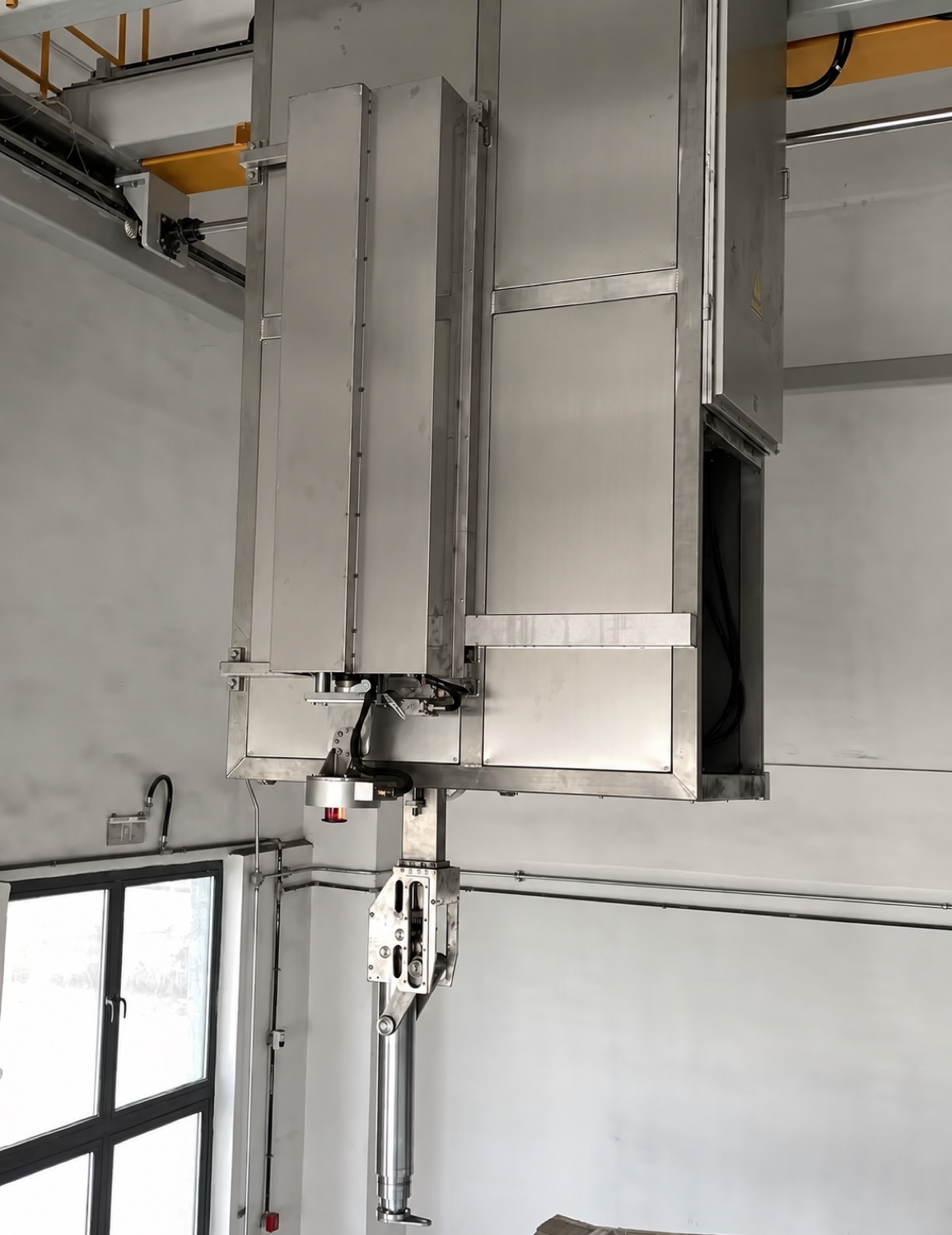
Typical application scenarios
PFLEGE lists IBC, reactor and storage-vessel cleaning alongside pharmaceutical and chemical, food-and-beverage, and IBC-cleaning applications. The final method follows the vessel’s process role, residue and approved operating procedure.
For reactors, storage vessels and selected IBCs in pharmaceutical or chemical operations, where internal geometry, residue and the verification route must be reviewed individually.
For IBC cleaning operations that need a defined route for loading, cleaning, drainage, drying and customer-defined inspection before the container is returned to use.
For selected food and beverage vessels where the cleaning sequence, access, utilities and release method are confirmed against the actual process and vessel format.
Project fit
These applications are assessed individually so the proposed cleaning scope matches the vessel’s process role and the customer’s operating procedure.
Review vessel type, dimensions, access point, internal features and any clearance constraints for the cleaning arrangement.
Understand prior cargo or process residue, the target cleaning requirement and the selected cleaning or conditioning method.
Identify the required safeguards, cleaning sequence, utilities, drying and the customer-defined inspection or verification method.
Map drainage, treatment, exhaust and site connections alongside the vessel’s existing operating environment.
Assessment path
The final method follows the actual vessel and the site procedure; this sequence frames the first technical conversation.
Confirm geometry, access, operating context and the existing cleaning method.
Define prior product, target condition and any conditioning or cleaning-medium requirements.
Review utilities, drainage, exhaust, access equipment and site safety requirements.
Agree the information needed to develop a project-specific cleaning arrangement.
Applicable modules
Module selection follows the final project review and should not be treated as a standard scope of supply.
Selected cleaning head, access alignment, support arrangement and programmed movement for the vessel.
Project-defined water, steam, detergent, air and drying interfaces where the procedure requires them.
Collection routes, treatment connections and selected verification support for the operating process.
Discuss your vessel-cleaning project
JAGUI will help structure the next discussion around the practical project inputs.